
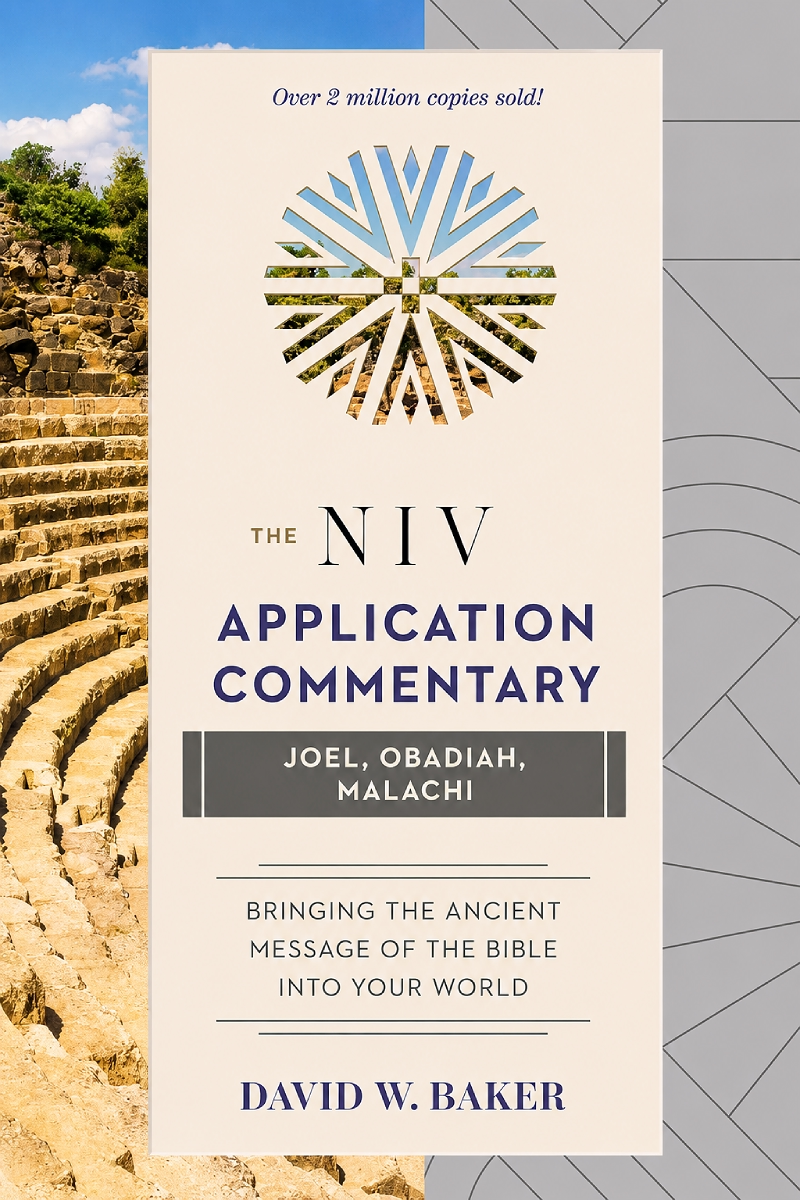
Joel, Obadiah, Malachi
David W. Baker explains Joel, Obadiah, and Malachi as prophetic books in which God confronts sin and rebellion yet calls people back to himself with hope. Moving from original meaning to present application, he traces the Day of the Lord, judgment, restoration, the Spirit, covenant faithfulness, and the promise of a coming Messiah.
Available Instantly
About This Book
David W. Baker’s Joel, Obadiah, Malachi is an application-focused commentary on three short prophetic books that joins careful interpretation of the ancient text with sustained attention to what their message means for believers today. Following the NIV Application Commentary method, Baker treats each passage through its original historical and literary meaning, the enduring principles that bridge the biblical world and the present, and contemporary significance. The result is not merely a survey of three Minor Prophets but a study of how prophetic judgment, covenant accountability, repentance, hope, and restoration address modern Christian life.
A major unifying theme is the Day of the Lord and the reality of divine judgment. Joel announces a day in which present disaster points beyond itself to a greater reckoning; Obadiah declares judgment on Edom; Malachi confronts God’s own covenant people and looks toward the coming day of divine intervention. Baker holds judgment and hope together. God opposes sin and rebellion, whether among the nations or among his own people, yet he summons people to return to him and promises blessing, restoration, renewal, and future hope. This tension between judgment and grace supplies one of the volume’s strongest theological and practical threads.
Joel receives substantial treatment of the locust devastation, the people’s response, the Day of the Lord, judgment and hope, creation, and the promised outpouring of God’s Spirit. Joel 2:28–32 is therefore important not only as prophecy but as a passage about the Spirit’s future work and God’s widening gift to his people. Joel also contributes to the book’s treatment of corporate repentance, prayerful response to calamity, divine compassion, and the relationship between present crisis and future judgment.
Obadiah focuses the reader on Edom, pride, violence against a brother nation, and God’s judgment of arrogant hostility. Baker develops the historical background and structure of the prophecy while also drawing out its theological and ethical significance. The book addresses questions about God’s justice toward nations, the consequences of pride and cruelty, and the certainty that human power does not escape divine accountability. Obadiah’s Day-of-the-Lord perspective also connects Edom’s judgment to a broader biblical horizon in which God judges evil and vindicates his rule.
Malachi turns especially toward covenant unfaithfulness within the worshiping community. Baker treats the prophet’s confrontational pattern, Israel’s disputes with God, corrupt worship, priestly failure, broken covenant relationships, marriage and divorce, material stewardship, and the promise of God’s coming messenger. These sections make the commentary directly useful for questions about honoring God in worship, faithfulness in marriage, leadership responsibility, giving, spiritual complacency, and what genuine return to God looks like. Malachi’s forward-looking expectation contributes to the volume’s messianic and future hope.
Across all three books, Baker repeatedly links prophetic theology with ordinary life. His approach asks not only what these ancient oracles meant but how their enduring demands expose present attitudes toward God, community, covenant responsibilities, hardship, worship, possessions, justice, and hope. Readers encounter a God who judges rebellion yet also invites return, pours out his Spirit, restores what has been devastated, and promises future blessing.
This volume is therefore especially relevant to readers searching for studies of Joel, Obadiah, or Malachi; the Day of the Lord; judgment and hope in the prophets; repentance and renewal; the outpouring of the Holy Spirit; covenant faithfulness; Edom; marriage and divorce in Malachi; faithful worship and leadership; or the way Old Testament prophecy connects ancient crises with present Christian obedience and future messianic expectation.
Book Details

Reading Fit
STUDY LEVEL
Intermediate
STUDY SCOPE
Individual Book, Old Testament
BOOKS INCLUDED

Edition & Format
PUBLISHED
April 30, 2006
AVAILABLE FORMATS
hardcover, kindle
LENGTH
352 pages

Topics Covered
You Might Also Like