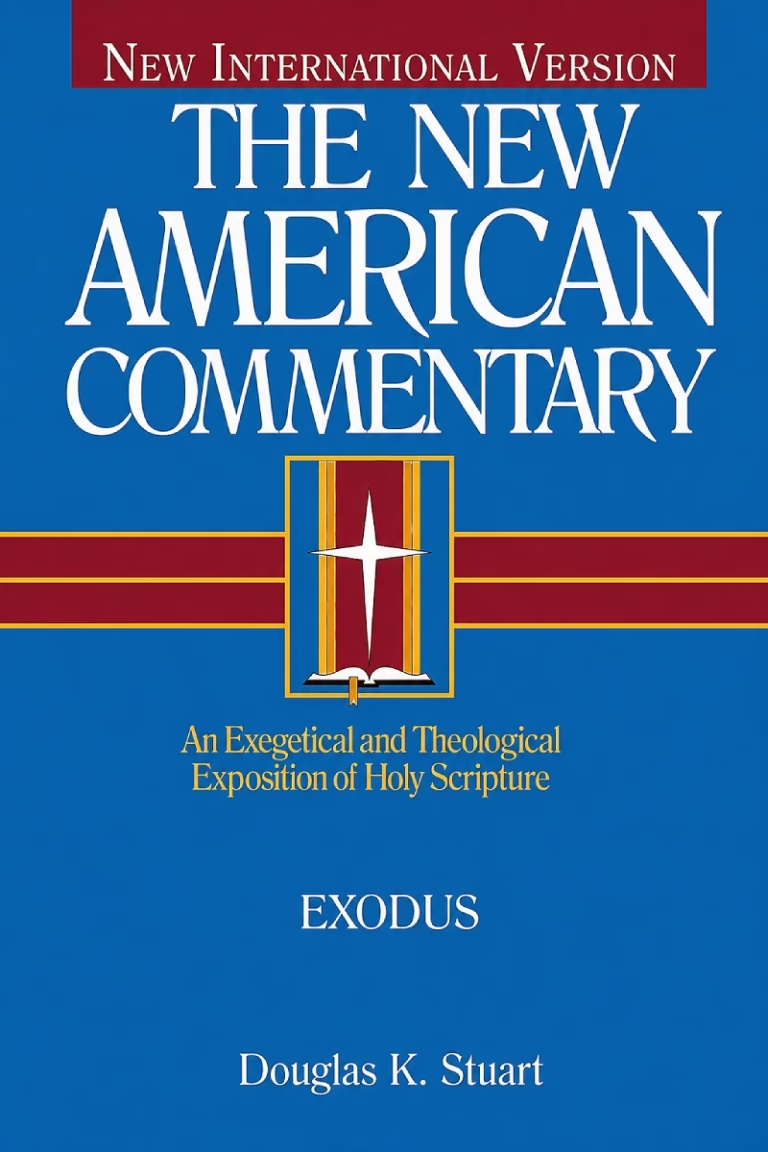

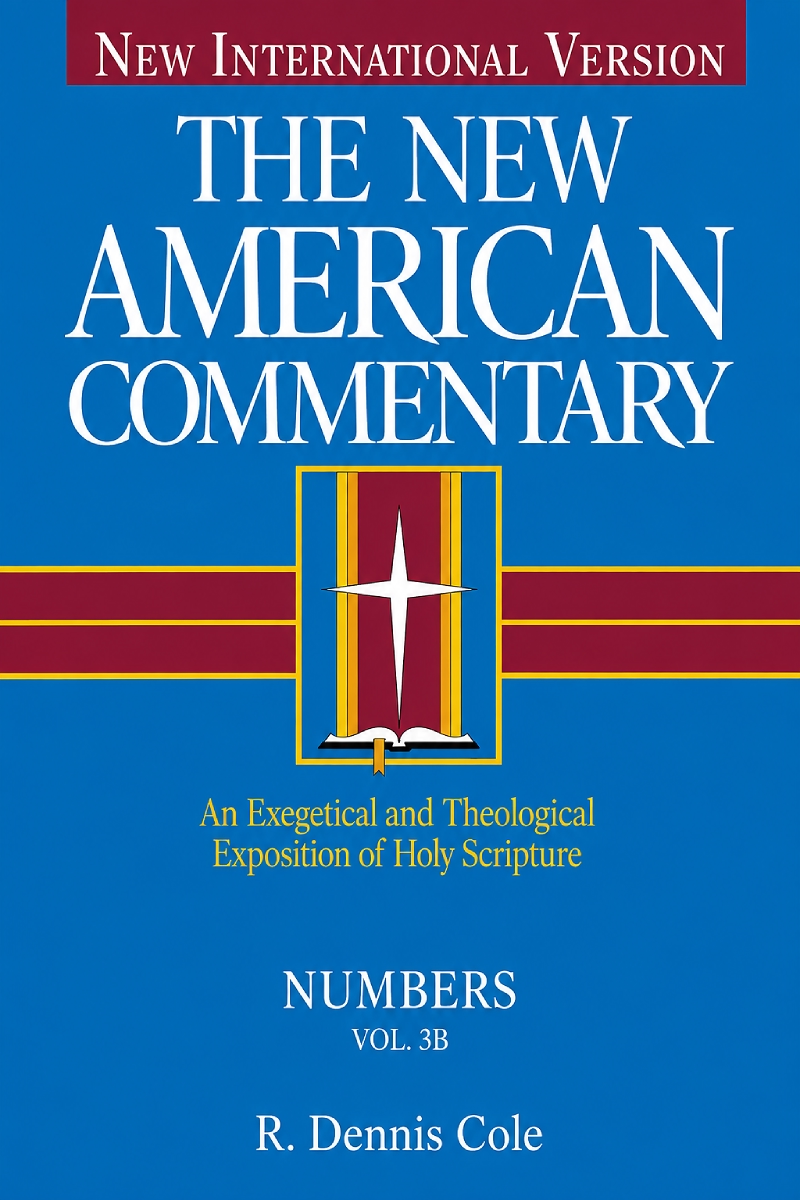
Numbers: An Exegetical and Theological Exposition of Holy Scripture
R. Dennis Cole’s substantial commentary follows Israel from Sinai through wilderness rebellion to renewed preparation for the promised land. It highlights God’s covenant faithfulness amid human unbelief while explaining Moses, priesthood, tabernacle, sacrifice, purity, Balaam, judgment, grace, and the formation of a new generation.
Available Instantly
About This Book
R. Dennis Cole’s commentary on Numbers offers a sustained exegetical and theological exposition of the entire biblical book, tracing Israel from its ordered preparation at Sinai through rebellion and judgment in the wilderness to the emergence of a new generation ready to enter the promised land. Cole’s governing theological emphasis is the contrast between God’s faithfulness and Israel’s repeated unbelief. Numbers becomes a study of how divine grace, judgment, covenant commitment, worship, leadership, and promise operate in the life of a people who repeatedly fail yet are not abandoned by God.
The opening chapters establish Israel as a covenant community ordered around the presence of God. The census, tribal arrangement, Levite responsibilities, tabernacle service, purity regulations, offerings, priestly blessing, Passover observance, and departure from Sinai are treated as theological as well as administrative material. Cole explains how holiness affects the arrangement of the camp, how priests and Levites serve around the sanctuary, and how worship, purity, sacrifice, and obedience belong together. Moses stands at the center of this ordered community as the principal servant and mediator through whom God directs Israel.
Once Israel leaves Sinai, the narrative repeatedly exposes human dissatisfaction and resistance. Complaints about hardship and food, challenges to Moses’ leadership, Miriam and Aaron’s opposition, and the people’s fear at the report of the spies all build toward the decisive crisis of Numbers 13–14. Cole treats Israel’s refusal to enter Canaan as a major act of unbelief and rebellion. The sentence of wilderness wandering and the death of the unbelieving generation reveal the seriousness of rejecting God’s promise, yet Joshua and Caleb become models of faithful trust.
The rebellion of Korah and its aftermath in Numbers 16–17 receives substantial treatment because it joins questions of authority, priesthood, judgment, and divine appointment. Cole also follows the developing distinction between the priestly house of Aaron and the wider Levite ministry, showing why access to the sanctuary and responsibility for worship cannot be treated casually. Related laws on cleansing, sacrifice, vows, offerings, and ritual purity help explain how Israel is to live near a holy God.
Numbers 20–21 shows both the frailty of Israel’s leaders and the continuing mercy of God. Moses’ failure at Meribah means that even he will not enter the land, while the episode of the bronze serpent demonstrates judgment followed by a divinely provided means of deliverance. These chapters also mark a transition as the new generation begins to experience victories on the approach to Canaan.
Cole gives extended attention to Balaam in Numbers 22–24. Balak seeks a curse on Israel, but the divine purpose cannot be overturned. Balaam’s oracles repeatedly pronounce blessing, affirm God’s commitment to Israel, and look toward Israel’s future triumph. Numbers 24:17 and its star-and-scepter imagery receive attention as part of this prophetic horizon. The subsequent sin at Baal Peor in Numbers 25 again places blessing beside human unfaithfulness and leads into the zeal of Phinehas and renewed priestly concerns.
The second census in Numbers 26 signals that the generation under judgment has passed and a new generation is being prepared. Cole follows the inheritance questions, the daughters of Zelophehad, Joshua’s succession, regulations for offerings and vows, war with Midian, the settlement of tribes east of the Jordan, the wilderness itinerary, the boundaries of Canaan, Levitical towns, cities of refuge, and final inheritance arrangements. These chapters show that God’s promise of land remains operative despite the failures narrated earlier.
For readers asking why Israel wandered forty years, what Numbers teaches about faith and unbelief, how God can remain faithful while judging rebellion, what priests and Levites were for, why ritual purity and sacrifice mattered, how Moses’ leadership was tested, what Balaam’s prophecies mean, or how the old generation gives way to the new, Cole provides detailed guidance. His commentary also helps readers connect the book’s laws and narratives rather than treating them as unrelated material. The result is a theological reading of Numbers in which covenant faithfulness, divine grace, holiness, worship, leadership, judgment, and promise are woven through the whole wilderness story.
Book Details

Reading Fit
STUDY LEVEL
Advanced, Intermediate
STUDY SCOPE
Individual Book, Old Testament
BOOKS INCLUDED

Edition & Format
PUBLISHED
September 1, 2000
AVAILABLE FORMATS
hardcover, kindle
LENGTH
596 pages

Topics Covered
You Might Also Like