
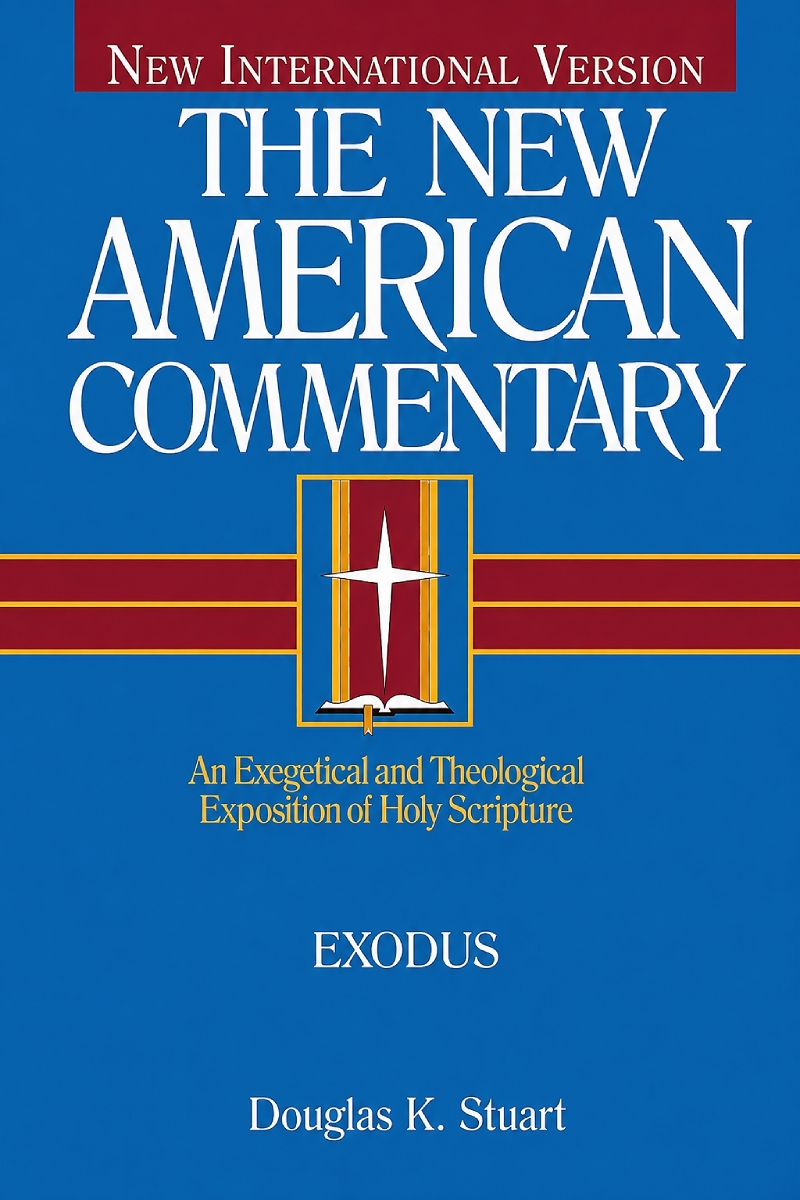
Exodus: An Exegetical and Theological Exposition of Holy Scripture
Douglas K. Stuart’s substantial exposition of Exodus follows Israel from bondage through deliverance to covenant life at Sinai and the building of the tabernacle. It explains the plagues, Passover, law, priesthood, worship, covenant rebellion and renewal, and the glory of God dwelling among his people, with careful attention to the book’s theology and biblical setting.
Available Instantly
About This Book
Douglas K. Stuart’s Exodus is a detailed exegetical and theological commentary on the whole book of Exodus, written to explain the text in its historical setting, literary flow, covenant structure, and place within the unity of Scripture. Stuart treats Exodus not merely as the story of Israel leaving Egypt but as the formation of a covenant people who are delivered by God, brought to Sinai, instructed in his will, and taught how to live and worship in his presence.
The commentary gives sustained attention to Israel’s oppression in Egypt, Moses’ call and commission, the revelation of the divine name, Pharaoh’s resistance, and the ten plagues. The exodus itself is developed as God’s decisive deliverance of his people, with close treatment of the Passover, the death of the firstborn, the departure from Egypt, the crossing of the sea, and the song of Moses. Stuart also follows the wilderness narratives through the people’s testing, complaints, provision of water and manna, conflict with Amalek, and Jethro’s counsel about leadership and justice.
A governing emphasis is the Sinai covenant. Stuart explains Exodus 19–24 as the establishment of the covenant relationship between God and Israel, including the theophany at Sinai, the Ten Commandments, the Book of the Covenant, the covenant ceremony, and the place of law within the relationship God has already created by deliverance. His treatment distinguishes types of biblical law and shows how the covenant commands shape Israel’s worship, justice, social life, and loyalty to Yahweh. Readers asking how Old Testament law fits the biblical story, what the Ten Commandments are doing in Exodus, or how grace, deliverance, covenant, and obedience relate will find those questions addressed within the book’s own structure.
The final major movement concerns worship and the tabernacle. Stuart gives extensive attention to Exodus 25–31 and 35–40: the ark, sanctuary, furnishings, priestly garments, priesthood, altar, incense, Sabbath, craftsmanship, and the construction of the tabernacle. These chapters are read as instruction for proper worship and for life with the holy God who chooses to dwell among his people. The symbolism and purpose of the sanctuary are connected with God’s presence, holiness, covenant, and glory. The climax in Exodus 40, when the glory of the LORD fills the tabernacle, completes the movement from slavery in Egypt to a redeemed people living around the presence of God.
Between the tabernacle instructions and their fulfillment, Stuart treats the golden calf in Exodus 32–34 as a major covenant crisis. Israel’s idolatry, Moses’ intercession, judgment, covenant renewal, and the renewed revelation of God’s character show both the seriousness of covenant rebellion and the mercy by which the relationship is restored. Moses therefore appears throughout not only as deliverer and leader but as prophet, mediator, intercessor, lawgiver, and servant.
The commentary is especially useful for readers trying to understand why Exodus joins deliverance, law, and worship so closely; how God forms a people after rescuing them; why the tabernacle occupies so much of the book; what covenant faithfulness and covenant rebellion mean; and how God’s presence and glory organize Israel’s life. Stuart’s theological approach also places Exodus in relation to the rest of the Pentateuch and the wider biblical story while keeping the book’s own historical and literary meaning central.
Book Details

Reading Fit
STUDY LEVEL
Advanced, Intermediate
STUDY SCOPE
Individual Book, Old Testament
BOOKS INCLUDED

Edition & Format
PUBLISHED
June 15, 2006
AVAILABLE FORMATS
hardcover
LENGTH
400 pages

Topics Covered
You Might Also Like