
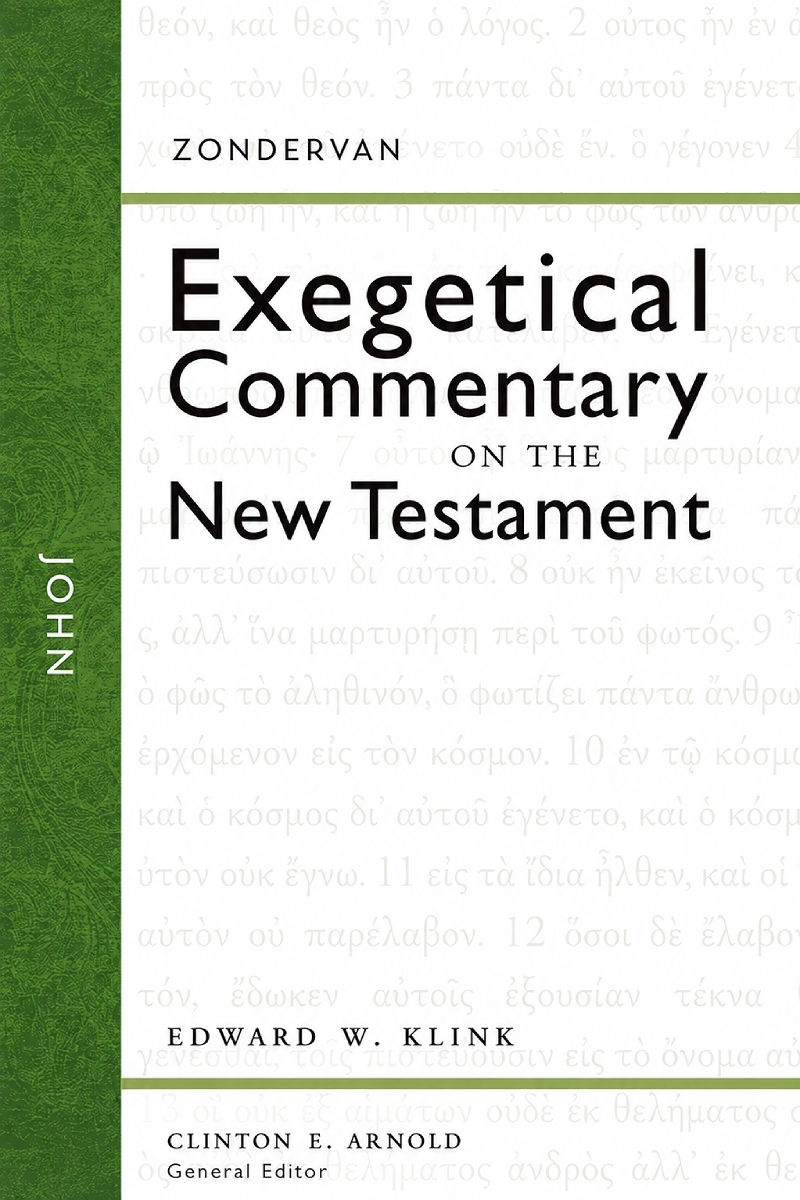
John
Edward W. Klink III offers a detailed exegetical study of John that follows the Gospel’s literary flow while drawing out its theology for teaching and Christian life. He explores Jesus’ identity, faith and unbelief, eternal life, the Father and Son, the Spirit, signs, glory, the cross, resurrection, witness, mission, and discipleship.
Available Instantly
About This Book
Edward W. Klink III’s John is a large-scale exegetical commentary on the Fourth Gospel designed to follow the biblical author’s message as it unfolds through the text. Working passage by passage with literary context, structure, translation, exegetical explanation, and theology in application, Klink treats the Gospel of John as a coherent theological narrative rather than a collection of isolated sayings. The volume therefore serves both close study of John and deeper searches into the Gospel’s major doctrines, images, relationships, and Christian-life implications.
The controlling subject is the identity and mission of Jesus Christ. From the prologue’s presentation of the eternal Word who becomes flesh through the public ministry, signs, controversies, Farewell Discourse, passion, and resurrection, Klink repeatedly develops John’s Christology. Jesus is presented in relation to the Father, as the one sent from above, the revealer of God, the source of life, the true object of faith, and the one whose glory is disclosed through his words, works, death, and resurrection. The Gospel’s statements about Christ’s divine identity, incarnation, preexistence, sonship, kingship, and saving mission receive sustained attention.
Faith in Jesus is another governing thread. John’s signs, witnesses, dialogues, misunderstandings, and conflicts repeatedly force the question of how people respond to Jesus. Klink traces belief and unbelief through figures such as Nicodemus, the Samaritan woman, the crowds, the religious authorities, the disciples, Thomas, and others. John 20:30–31 supplies an important purpose statement: the signs have been written so that readers may believe that Jesus is the Christ, the Son of God, and have life in his name. Eternal life is therefore closely related to faith, knowing God through the Son, and participation in the life Jesus gives.
The commentary gives substantial attention to the Gospel’s signs and symbolic language. Jesus’ miracles are not merely demonstrations of power; they disclose his identity and provoke decisions of faith or unbelief. Klink also follows major Johannine images and claims involving light and darkness, bread, water, shepherd and sheep, resurrection and life, vine and branches, temple, witness, truth, and glory. These images help explain how John presents salvation, revelation, discipleship, and Jesus’ relationship to Israel’s Scriptures and institutions.
The Father-Son relationship is central throughout the Gospel. Jesus speaks and acts as the one sent by the Father, reveals the Father, does the Father’s works, and returns to the Father. The later chapters expand this divine-relational teaching through the promise of the Paraclete, the Holy Spirit, who continues Jesus’ witness, teaches the disciples, convicts the world, and equips the post-resurrection mission. Klink’s exposition of John 13–17 therefore contributes significantly to searches on the Holy Spirit, abiding in Christ, Christian love, unity, prayer, witness, persecution, and the mission of Jesus’ followers.
The cross and resurrection form the narrative climax. John portrays Jesus’ “hour,” crucifixion, and glorification as the fulfillment of his mission rather than an accidental defeat. The passion narrative develops kingship, sacrifice, Scripture fulfillment, witness, and the completion of Jesus’ work. The resurrection appearances then lead into confession, restored discipleship, and mission.
Because each unit includes theological application, the book is useful not only for technical exegesis but for readers asking who Jesus is, why John calls people to believe, what eternal life means, how the Father, Son, and Spirit relate in the Gospel, why Jesus’ signs matter, how disciples abide and bear witness, and how the cross and resurrection define Christian faith and mission. Its depth and use of Greek make it especially suited to pastors, teachers, seminary students, and serious Bible readers.
Book Details

Reading Fit
STUDY LEVEL
Advanced, Intermediate
STUDY SCOPE
Individual Book, New Testament
BOOKS INCLUDED

Edition & Format
PUBLISHED
January 10, 2017
AVAILABLE FORMATS
hardcover, kindle
LENGTH
1757 pages

Topics Covered
You Might Also Like