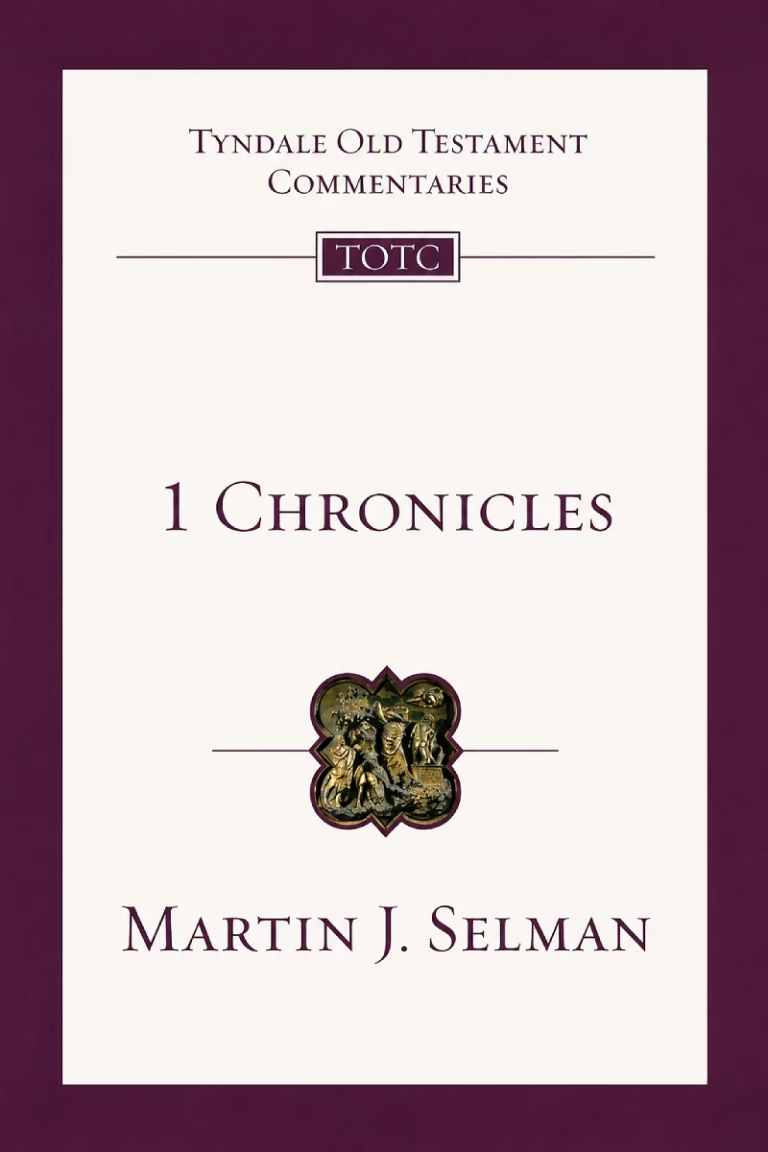

2 Chronicles: An Introduction and Commentary
Martin J. Selman reads 2 Chronicles as pastoral theology for a people living after judgment and needing renewed hope. His commentary shows how the Davidic covenant, temple, prayer, worship, repentance, faith, reform, judgment, and restoration all turn on the trustworthiness of God’s promises, from Solomon’s temple to exile and the unexpected hope that closes the book.
Available Instantly
About This Book
Martin J. Selman’s 2 Chronicles is a sustained exposition of the biblical book as pastoral theology for a community living in the aftermath of judgment. Selman’s governing emphasis is that the promises of God revealed in the Davidic covenant remain trustworthy and effective because God himself is faithful. The Chronicler therefore retells Israel’s history not merely to preserve events but to heal, restore hope, and call God’s people to reshape their life before him.
The opening chapters on Solomon are read in continuity with David and the covenant promises already established in 1 Chronicles. Selman shows how Solomon’s throne and the construction of the temple represent an initial fulfillment of God’s promise to David. The temple is not treated as an isolated building project. It stands within a larger theology of God’s choice, presence, covenant faithfulness, worship, sacrifice, prayer, and the life of the whole people. In 2 Chronicles 5–7, the glory of the Lord filling the temple, Solomon’s dedicatory prayer, and God’s response become major theological centers of the commentary.
Selman gives substantial attention to 2 Chronicles 6, where Solomon begins with praise for God’s uniqueness and covenant faithfulness before asking that God hear prayer directed toward the temple. The prayer repeatedly moves through sin, confession, repentance, forgiveness, restoration, and blessing. Selman highlights the temple as a sign of God’s presence and authority without suggesting that God can be contained by a building. Prayer is offered to the God of heaven who nevertheless makes himself accessible to those who call on him.
Second Chronicles 7:12–16 is especially important in Selman’s reading. He treats this passage, including 2 Chronicles 7:14, as central to the message of Chronicles because it sets out the possibility of forgiveness and healing for a people who have experienced divine wrath. Humbling oneself, praying, seeking God, and turning from evil are not formulas for manipulating God but covenant responses to his gracious invitation. Selman connects this passage with the Davidic promise and sees the later history of the divided monarchy as repeatedly illustrating the principles of prayer, repentance, judgment, and restoration established here.
The commentary therefore reads the kings of Judah theologically. Their reigns display the consequences of seeking God or abandoning him, listening to his word or resisting it, restoring worship or corrupting it. Jehoshaphat’s crisis in 2 Chronicles 20 becomes a major example of faith, prayer, worship, and God-given deliverance: the people are called to stand firm and see the Lord’s salvation. Hezekiah’s reforms restore temple worship and lead the people into renewed joy. Manasseh’s repentance in 2 Chronicles 33 demonstrates that even severe rebellion does not place a repentant sinner beyond the reach of God’s mercy and restoration.
At the same time, Selman does not minimize judgment. The final chapters explain why exile comes and emphasize the corporate responsibility of the nation. The destruction of Jerusalem and the temple, the end of the monarchy, and exile reveal the seriousness of persistent unfaithfulness. Yet 2 Chronicles does not end with judgment as the last word. Cyrus’s decree in 2 Chronicles 36:22–23 opens the possibility of return and rebuilding, echoing the language of God’s earlier promises and showing that the Lord remains sovereign even through exile.
Readers looking for help with the Davidic covenant, the temple, prayer, 2 Chronicles 7:14, repentance, revival and reform, trusting God in crisis, judgment, exile, or restoration will find those subjects integrated into the book’s larger theology. Selman’s commentary consistently connects the historical narrative with the pastoral question facing wounded believers: after failure and judgment, can God’s people still trust his promises and return to him? Second Chronicles answers by directing them again to God’s faithful covenant word, wholehearted worship, repentant prayer, and hope in his restoring grace.
Book Details

Reading Fit
STUDY LEVEL
Intermediate
STUDY SCOPE
Individual Book, Old Testament
BOOKS INCLUDED

Edition & Format
PUBLISHED
April 2, 2016
AVAILABLE FORMATS
paperback, kindle
LENGTH
292 pages

Topics Covered
You Might Also Like