
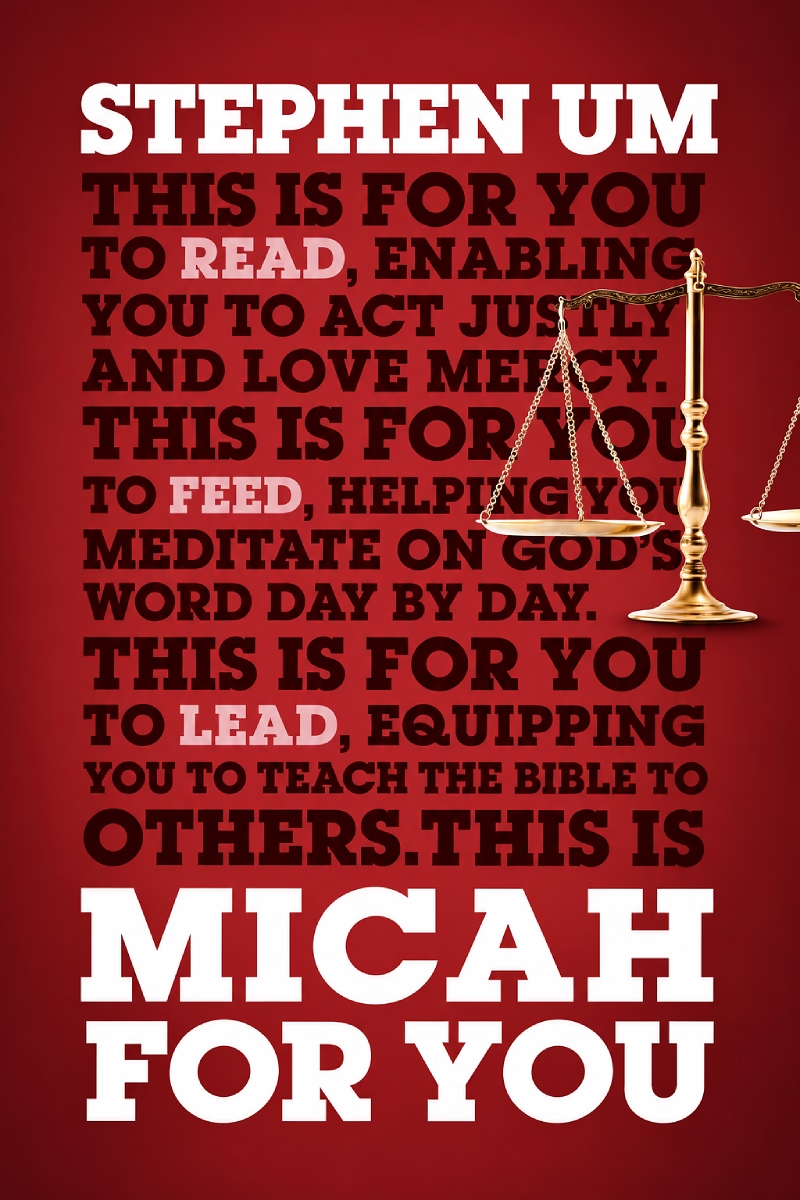
Micah for You: Acting Justly, Loving Mercy
Stephen Um opens Micah as a searching call to reject idolatry and oppression, use power humbly, act justly, love mercy, and hope in God’s restoring grace. Moving from judgment to the promised shepherd and final compassion of God, the commentary shows how the gospel frees believers to pursue justice without losing mercy.
Available Instantly
About This Book
Stephen Um’s Micah For You is an accessible, applied exposition of the whole book of Micah, organized around the prophet’s confrontation of idolatry, injustice, oppressive power, judgment, restoration, mercy, and hope. Um consistently asks how Micah’s message to ancient Israel speaks to Christian life now, especially to readers who want to understand what it means to act justly, love mercy, use influence rightly, and respond to social brokenness without separating ethical action from the gospel.
The opening chapters expose the spiritual roots of Israel’s public corruption. Micah 1 confronts idolatry and the judgment that follows when God’s people give their loyalty to rival objects of worship. Um connects idolatry with the human tendency to seek security, identity, satisfaction, and control apart from God. The issue is not merely ancient religious practice; it becomes a question of what modern people depend on, love, and serve. Judgment is therefore presented as God’s response to covenant unfaithfulness rather than as an arbitrary outburst.
Micah 2–3 turns from false worship to oppression and the misuse of power. Land is seized, vulnerable people are exploited, leaders use influence for self-interest, and religious voices can become compromised. Um develops these chapters as a sustained challenge to the way power is exercised. Justice is not reduced to a slogan or political identity. It involves using God-given influence for the good of others rather than for personal advantage. These sections help readers ask how greed, status, institutional authority, economic advantage, and self-protection can become instruments of oppression.
The middle of Micah introduces hope and restoration. Micah 4 looks beyond present judgment toward the restoration of Zion, peace among the nations, and the future reign of God. Micah 5 develops the promise of a ruler from Bethlehem who will stand and shepherd his flock. Um reads these promises christologically, showing how Micah’s hope reaches its fulfillment in Jesus Christ. The promised shepherd and ruler does not merely restore circumstances; he supplies the deeper rescue God’s people need. The commentary repeatedly connects Micah’s movement from sin and judgment to restoration with the gospel, arguing that grace changes the heart and frees believers to pursue justice and mercy without relying on moral self-sufficiency.
Micah 5 also provides a searching contrast between dependence on God and self-sufficiency. Human strength, military resources, wealth, and false sources of security cannot produce the restoration Micah promises. This reinforces one of the book’s recurring spiritual questions: what do God’s people trust when they are afraid, threatened, or tempted to secure themselves through power?
Micah 6 brings the covenant dispute to a climax. Against the idea that extravagant religious performance can compensate for unfaithful living, Micah 6:8 states what the Lord requires: to act justly, love mercy, and walk humbly with God. Um gives this text substantial practical development. Justice concerns right treatment of others; mercy involves generous, steadfast compassion; humility rejects self-exalting independence and lives in conscious dependence on God. The commentary therefore connects worship, character, public ethics, and everyday relationships rather than allowing them to become separate areas of life.
The final chapter addresses lament, waiting, forgiveness, and the character of God. Micah 7 teaches believers how to grieve evil honestly without surrendering hope. The closing confession—“Who is a God like you?”—focuses on God’s willingness to pardon, show compassion, and keep covenant mercy. Judgment is not Micah’s final word; God’s restoring mercy is.
For readers asking how Christians should think about justice, what mercy looks like in practice, why power becomes corrupting, how idolatry produces social consequences, how to lament a broken culture, where hope comes from after judgment, or how the gospel creates genuinely just and merciful living, Um’s commentary connects Micah’s prophetic message directly with those questions. Its combination of close exposition, Christ-centered fulfillment, and practical application makes it especially useful for personal study, group study, teaching, and Christian formation.
Book Details

Reading Fit
STUDY LEVEL
Fundamental, Intermediate
STUDY SCOPE
Individual Book, Old Testament
BOOKS INCLUDED

Edition & Format
PUBLISHED
April 2, 2018
AVAILABLE FORMATS
paperback, hardcover, kindle
LENGTH
176 pages

Topics Covered
You Might Also Like