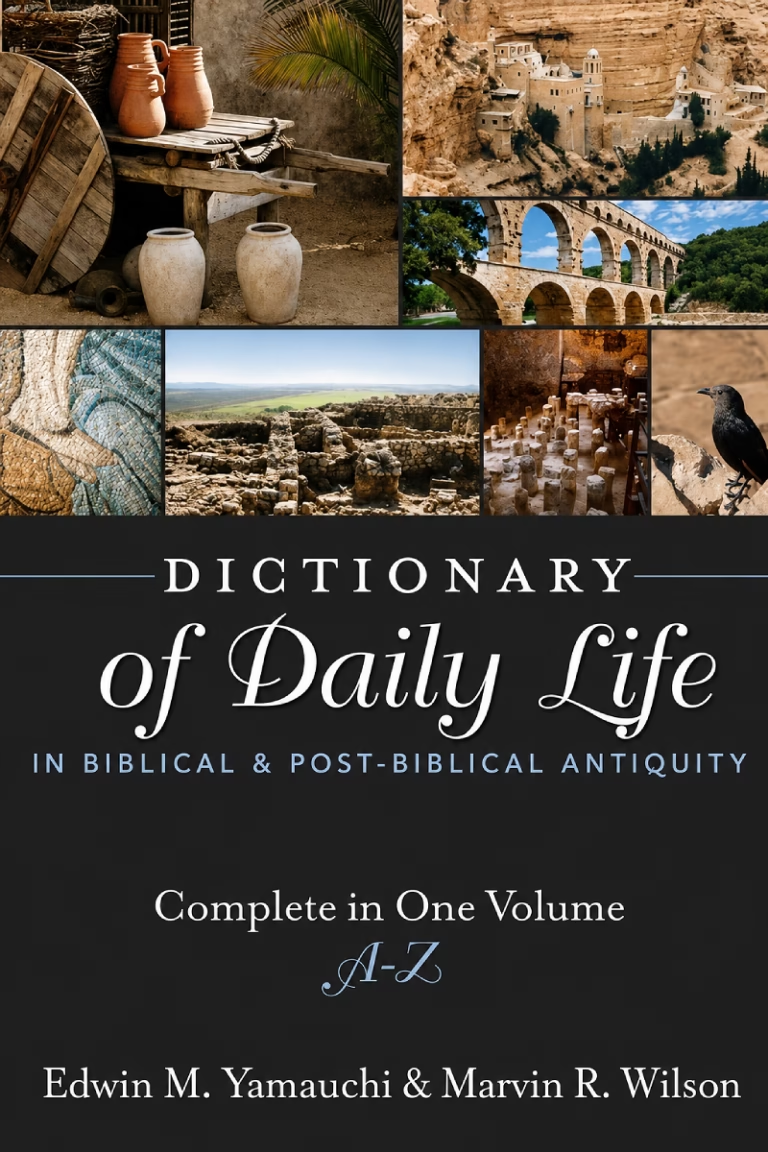

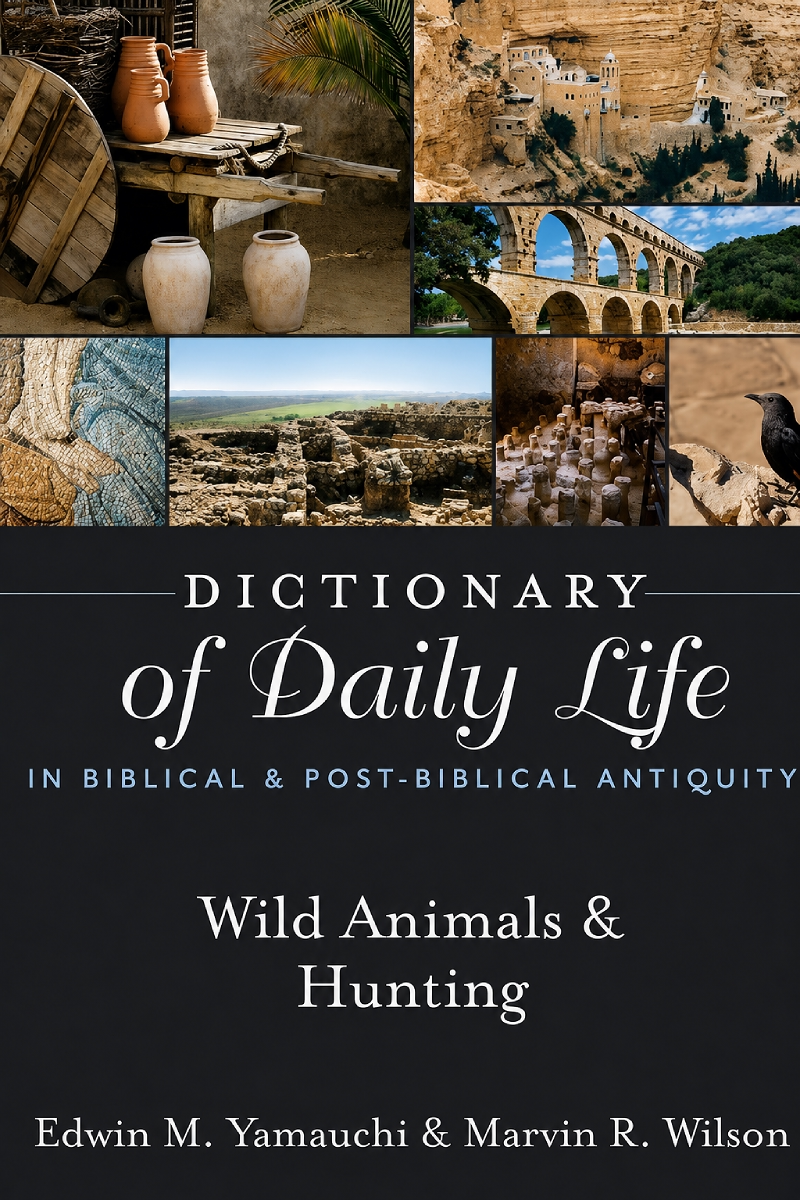
Dictionary of Daily Life in Biblical & Post-Biblical Antiquity: Wild Animals & Hunting
This focused reference study explores wild animals and hunting across the biblical world, placing Scripture’s animals and hunters within the practices and cultures of the ancient Near East, Greco-Roman society, and later Jewish and Christian communities. It clarifies how people encountered, hunted, controlled, and understood wild creatures in antiquity.
Available Instantly
About This Book
Dictionary of Daily Life in Biblical and Post-Biblical Antiquity: Wild Animals and Hunting is a focused cultural-background study of wild animals and the human practice of hunting in the biblical world. Published as a standalone article from the larger Dictionary of Daily Life in Biblical and Post-Biblical Antiquity, it uses the series’ standard comparative framework: the Hebrew Bible, the New Testament, the ancient Near East, Greco-Roman society, and post-biblical Jewish and Christian communities. The subject is therefore not limited to identifying animal names; it places encounters with wild creatures and the practice of hunting within the environmental, social, economic, and political life of antiquity.
The article’s first major search subject is wild animals. Biblical people lived much closer to undomesticated animals than most modern readers do, and references to dangerous animals, wild game, predators, and creatures of the countryside carried practical meaning as well as literary force. The study gives historical context for the kinds of wild animals known in the lands of the Bible, the risks they posed to people and livestock, and the ways ancient societies understood or controlled them. This background helps readers interpret biblical descriptions of wilderness, pastoral danger, royal power, and human encounters with the non-domesticated animal world without reducing such references to modern zoological categories.
Hunting forms a second central subject. The article places hunting within the wider cultures of the ancient Near East and Mediterranean world, where it could serve different purposes: obtaining game, protecting people or herds, demonstrating skill, and in royal settings displaying power and status. Ancient Near Eastern evidence is particularly important for understanding royal hunting traditions and the visual and written records associated with kings and wild animals. Greco-Roman evidence broadens the comparison by showing how hunting and public encounters with animals developed in another major cultural setting surrounding the New Testament period.
The biblical sections bring that cultural background into direct contact with Scripture. The Hebrew Bible contains hunters, wild game, lions, bears, and other dangerous creatures in narrative, law, poetry, wisdom, and prophetic imagery. Genesis provides early hunting figures and stories involving game; historical and poetic texts repeatedly assume the danger of predators and wild animals; and prophetic passages use the animal world as part of their imagery and descriptions of judgment, safety, and the land. The New Testament continues to draw on the familiar world of wild creatures and also stands within a Greco-Roman environment where hunting and animal spectacles were culturally recognizable. The article’s purpose is to make those assumptions visible rather than to turn every animal reference into an independent doctrinal topic.
The post-biblical sections extend the subject into Jewish and Christian antiquity, allowing the reader to see how inherited biblical animal language and the realities of hunting existed alongside later cultural practices. This long chronological frame, from the biblical world toward approximately AD 600, helps distinguish environmental realities from literary imagery and allows comparison among Israelite, Near Eastern, Greco-Roman, Jewish, and Christian settings.
The article is especially useful for readers asking what hunting meant in Bible times, which wild animals people actually encountered, why kings hunted, how predators affected ordinary life, what a biblical hunter’s activity would have involved, or how references to lions, bears, game, and wilderness danger would have sounded to ancient audiences. Its strongest search subjects are therefore wild animals, hunting, ancient hunting practices, royal hunting, predators and wild game, and the cultural background needed to interpret biblical animal imagery and narratives.
Book Details

Reading Fit
STUDY LEVEL
Advanced, Intermediate
STUDY SCOPE
New Testament, Old Testament, Topical
BOOKS INCLUDED

Edition & Format
PUBLISHED
May 17, 2022
AVAILABLE FORMATS
kindle
LENGTH
135 pages

Topics Covered
You Might Also Like