
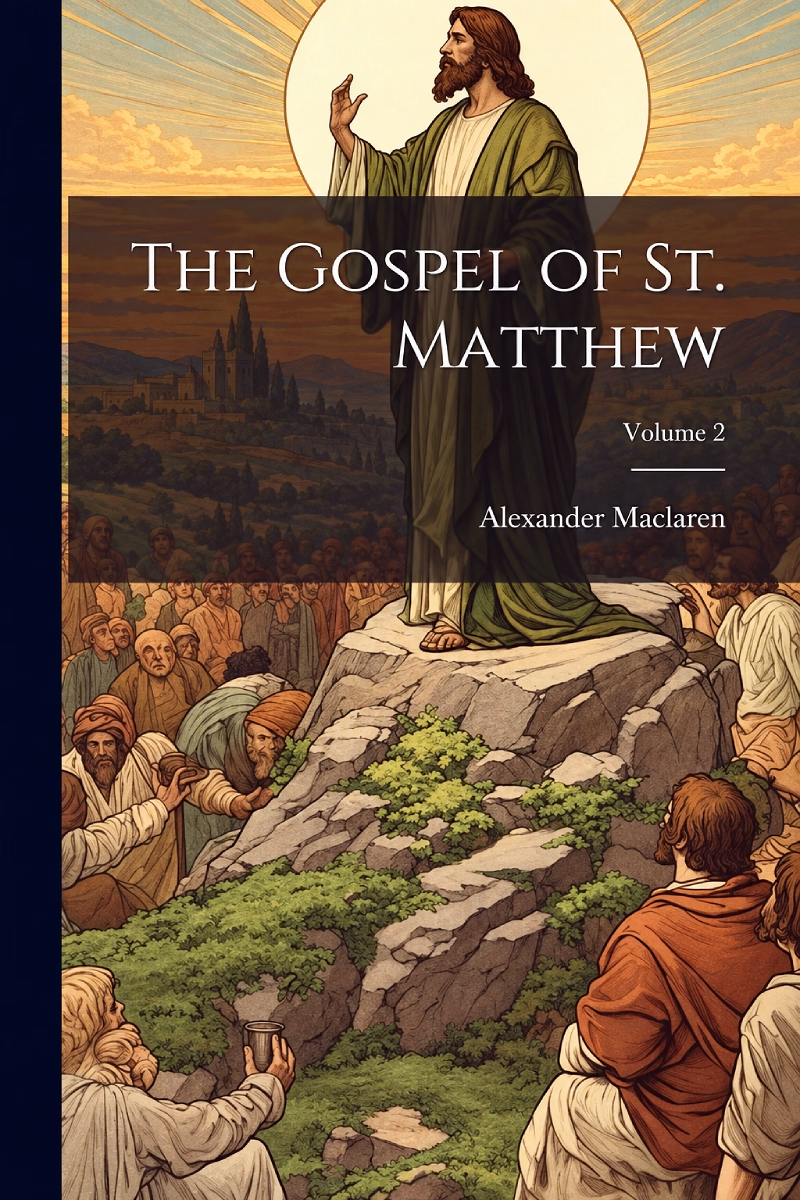
The Gospel of St. Matthew – Vol 2
Alexander Maclaren’s connected exposition follows Matthew 14–28 from the feeding of the multitude and Peter’s confession through kingdom teaching, Jerusalem, the Olivet discourse, Gethsemane, the Cross, and resurrection. The lessons show how Christ’s identity, faith, discipleship, watchfulness, and obedience unfold as Matthew moves toward the risen King’s final commission.
Available Instantly
About This Book
The Gospel of St. Matthew – Vol 2 is Alexander Maclaren’s connected exposition of Matthew 14–28. Rather than treating the latter half of the Gospel as a collection of unrelated sermons, Maclaren follows Matthew’s developing narrative from the feeding of the multitude through the resurrection and final commission. Jesus Christ remains the controlling subject: His identity as Messiah and Son, His authority as King, His suffering and death, and His resurrection determine the meaning of the discipleship lessons that surround Him.
The opening section develops faith through the miracles and encounters of Matthew 14–15. The feeding of the five thousand displays Christ’s sufficiency, while Jesus walking on the sea and Peter stepping onto the waves become an examination of trust that begins by looking to Christ and fails when threatening circumstances dominate attention. The Canaanite woman continues the theme through persistent confidence in Christ’s mercy. The miracles therefore serve both as revelations of Jesus and as practical training in faith.
Matthew 16 is a major turning point. Peter confesses Jesus as the Christ, the Son of the living God, and Jesus immediately begins to teach the necessity of His suffering and death. Maclaren joins the glory of Christ’s identity to the way of the Cross: the Messiah will suffer, and His followers must learn self-denial and cross-bearing rather than measure the kingdom by outward success. The transfiguration in Matthew 17 confirms Christ’s glory while preparing the disciples to understand that suffering and glory belong together.
Matthew 18–20 turns to the character of kingdom discipleship. Humility, care for the little ones, forgiveness, marriage, wealth, service, ambition, and greatness are treated as practical tests of life under Christ’s rule. The unforgiving servant presses the obligation to extend mercy received from God. The rich young ruler exposes the spiritual power of possessions, and Christ’s teaching on greatness replaces status-seeking with service. These chapters address readers asking what following Jesus requires in relationships, priorities, forgiveness, and the use of position or wealth.
The Jerusalem narrative begins with Christ’s royal entry in Matthew 21. Maclaren presents Jesus as the promised King whose meekness differs sharply from ordinary political power. The cleansing of the temple, controversies with religious leaders, and kingdom parables sharpen the issue of Christ’s authority and human accountability. Parables of the vineyard, wedding feast, servants, virgins, talents, and judgment repeatedly connect privilege with responsibility and reveal the practical demands of the Kingdom of God.
Matthew 24–25 receives substantial exposition. Maclaren treats Christ’s prophetic teaching about coming judgment and His return not primarily as material for speculation, but as a call to watchfulness, endurance, preparedness, and faithful service. The ten virgins, the talents, and the judgment of the nations give concrete form to the question of how disciples should live while awaiting the King. This makes the volume useful both for readers studying Bible prophecy and for those asking how the Second Coming should shape Christian conduct.
The final movement through Matthew 26–28 covers the Lord’s Supper, Gethsemane, arrest, trial, crucifixion, burial, and resurrection. The Supper interprets Christ’s approaching death in covenantal and sacrificial terms. Gethsemane reveals the depth of His suffering and His submission to the Father’s will. The Cross stands at the center of the saving work toward which the Gospel has moved, while the resurrection confirms Christ’s victory and authority.
The volume closes with the risen Jesus commissioning His disciples. The One who has taught, served, suffered, died, and risen now sends His followers under His universal authority. Maclaren’s exposition therefore gives readers a sustained study of Matthew 14–28 while connecting Christology, faith, kingdom discipleship, prophecy, the Cross, resurrection, and obedient Christian service within the Gospel’s own narrative movement.
Book Details

Reading Fit
STUDY LEVEL
Intermediate
STUDY SCOPE
Individual Book, New Testament
BOOKS INCLUDED

Edition & Format
PUBLISHED
July 18, 2023
AVAILABLE FORMATS
paperback, hardcover
LENGTH
250 pages

Topics Covered
You Might Also Like