
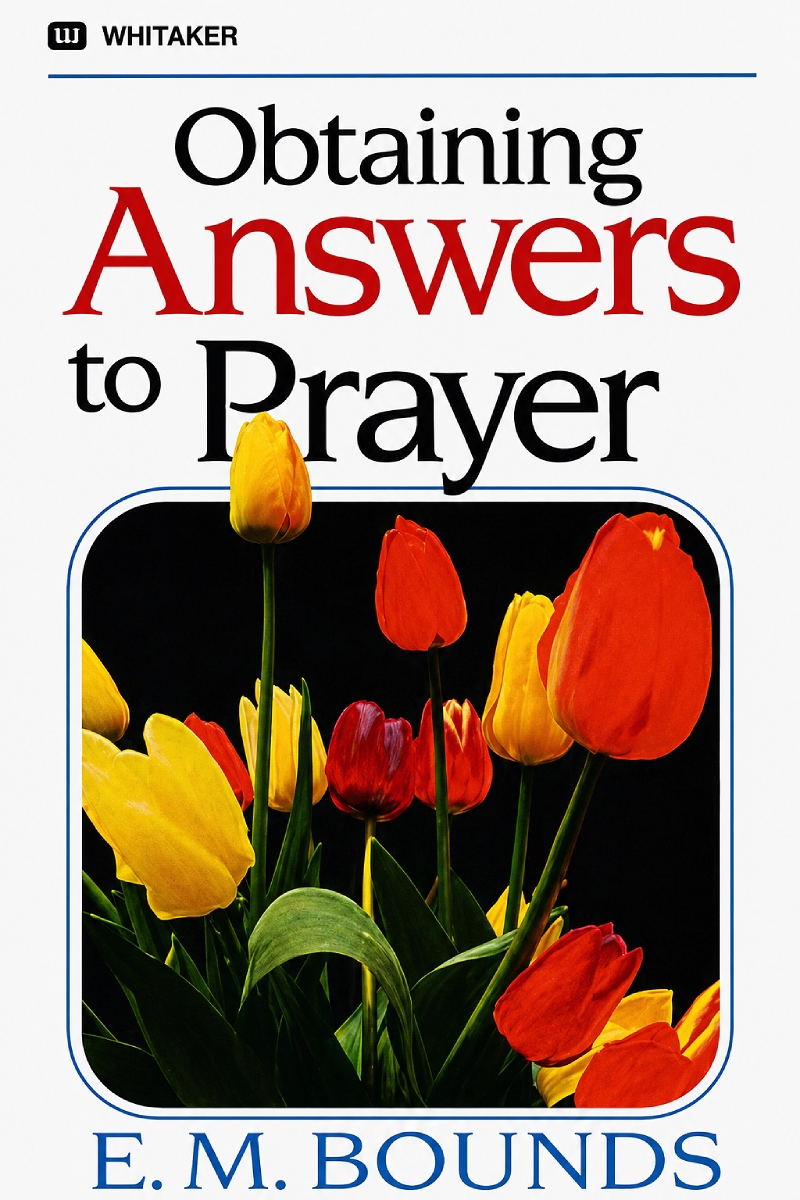
Obtaining Answers to Prayers
Using Abraham, Moses, Elijah, Hezekiah, Ezra, Nehemiah, Samuel, Daniel, Paul, and other biblical figures, E. M. Bounds shows how faith-filled prayer receives answers from God. The book develops intercession, persistence, prayer in leadership, corporate prayer, and the place of prayer in personal need, spiritual work, reformation, and the life of the Church.
Available Instantly
About This Book
Obtaining Answers to Prayers is E. M. Bounds’s Scripture-based study of prayer through the lives and teachings of biblical men and women. The work was originally published as Prayer and Praying Men and was later issued by Whitaker House under the title Obtaining Answers to Prayer. Rather than treating prayer mainly through abstract definitions, Bounds follows concrete biblical examples to show how faith, dependence on God, intercession, persistence, and definite asking appear in the lives of people who prayed and received answers. The governing question is practical: what does Scripture show about prayer that reaches God and brings an answer?
The opening chapters draw heavily from Old Testament examples. Joshua’s prayer in Joshua 10, Jacob’s prayers in Genesis, and other early examples establish prayer as an active expression of faith in God’s power and willingness to intervene. Abraham receives extended treatment as a man who approached God personally and interceded for others. Moses is presented as a mighty intercessor whose prayers repeatedly stand between Israel and judgment, especially in the events surrounding the golden calf, Israel’s rebellions, Miriam’s sickness, and the nation’s wilderness troubles. These examples develop intercessory prayer as persistent pleading for other people and connect answered prayer with nearness to God, compassion, and confidence in His ability to act.
Bounds then studies Elijah, Hezekiah, Ezra, Nehemiah, Samuel, and Daniel. Elijah’s experiences in 1 Kings and James 5 illustrate earnest prayer, answered prayer, persistence, and prayer connected with God’s promises. Hezekiah’s prayers show prayer in national danger, sickness, reform, and deliverance, drawing from the historical books and Isaiah. Ezra’s confession and fasting in Ezra 9–10 are used to show prayer in spiritual reformation and repentance. Nehemiah’s prayers demonstrate how prayer accompanies planning, leadership, opposition, rebuilding, and dependence on God. Hannah and Samuel connect prayer with children, spiritual service, and leadership, while Daniel illustrates continuing prayer under captivity and pressure.
A major portion of the book then turns to Paul as a teacher and practitioner of prayer. Bounds develops Paul’s prayer life from Acts and repeatedly examines his instructions and requests for prayer in Romans, Ephesians, Philippians, Colossians, Thessalonians, Timothy, and other letters. Prayer is shown as essential to Christian ministry, preaching, missionary work, courage, spiritual fruitfulness, and the life of the Church. Ephesians 6 receives particular attention because Paul joins prayer in the Spirit, perseverance, prayer for all the saints, and prayer for boldness in proclaiming the gospel. Paul’s repeated request that churches pray for him also develops the importance of corporate and intercessory prayer: Christian workers need the prayers of other believers, and congregations participate in ministry through prayer.
Persistent prayer is another substantial emphasis. Bounds presents prayer as something that continues rather than stopping when an answer is not immediate. The examples of Jacob, Elijah, Moses, Nehemiah, and Paul support the book’s treatment of perseverance, fervency, and sustained asking. Faith in prayer is therefore not presented merely as confidence that prayer is worthwhile, but as active trust in God that continues to seek Him, relies on His promises, and expects Him to answer according to His action and purposes.
The book addresses readers asking how to obtain answers to prayer, what faith has to do with effective prayer, how to intercede for other people, why persistence matters, how prayer functions in spiritual leadership and Christian ministry, and why the Church should pray for its workers. It also shows how prayer operates in crisis, reform, opposition, sickness, family concerns, missionary work, and personal need. Its central method is to let the biblical record supply the examples and then draw practical principles for a life of prayer from those examples.
Book Details

Reading Fit
STUDY LEVEL
Fundamental, Intermediate
STUDY SCOPE
Topical
BOOKS INCLUDED

Edition & Format
PUBLISHED
January 1, 1984
AVAILABLE FORMATS
paperback
LENGTH
144 pages

Topics Covered
You Might Also Like