
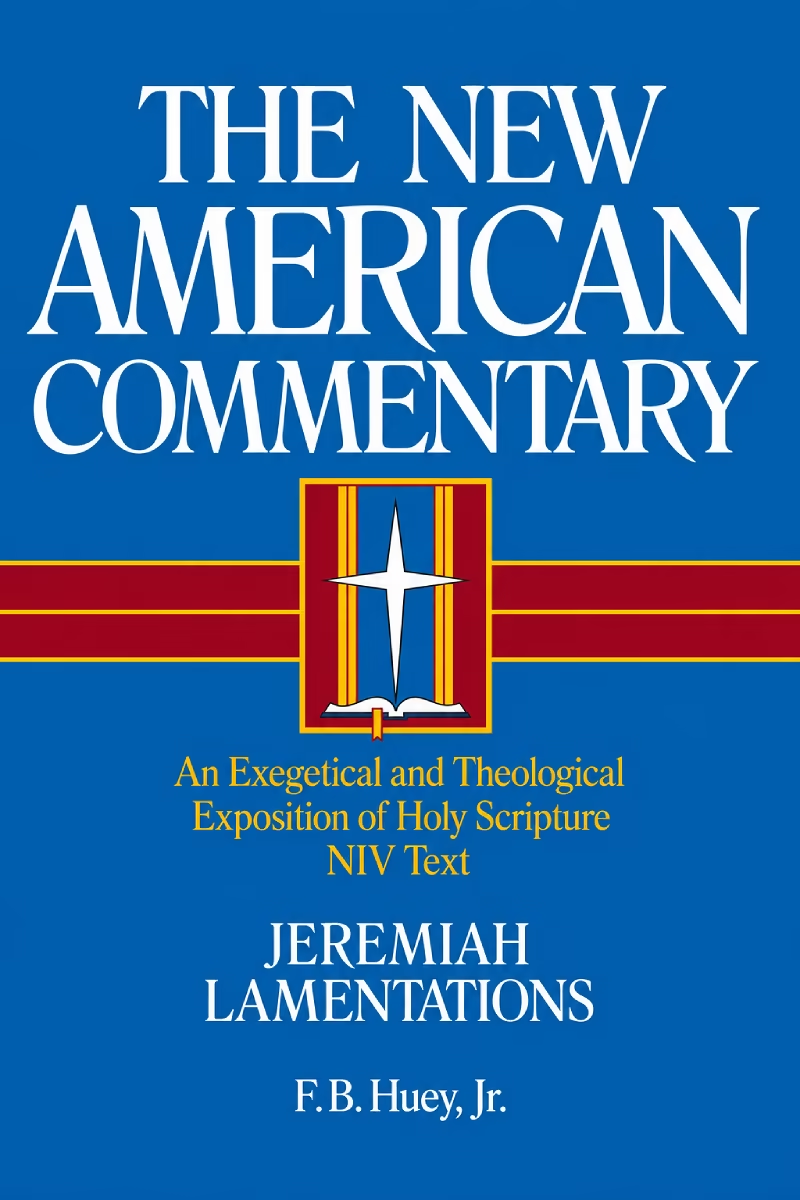
Jeremiah, Lamentations: An Exegetical and Theological Exposition
F. B. Huey guides readers through Jeremiah and Lamentations with careful exegesis, historical context, and theological synthesis. The commentary follows Judah from covenant rebellion and prophetic warning through Jerusalem’s fall and grief, while also unfolding Jeremiah’s promises of restoration, a new covenant, and renewed hope.
Available Instantly
About This Book
Jeremiah, Lamentations: An Exegetical and Theological Exposition is F. B. Huey’s detailed commentary on both Jeremiah and Lamentations in the New American Commentary series. Its governing purpose is to explain the text of these two prophetic books in their historical setting, literary structure, Hebrew wording, and theological message while keeping the individual sections connected to the books as wholes. Huey treats Jeremiah’s long prophetic ministry against the background of Judah’s final decades, the Babylonian crisis, the destruction of Jerusalem, and the exile, then interprets Lamentations as the theological and emotional response to that catastrophe.
The commentary gives sustained attention to Jeremiah’s prophetic call, the people’s covenant rebellion, idolatry, injustice, refusal to hear God’s word, false confidence in the temple, and resistance to repeated calls for repentance. The conflict between true and false prophecy is a major recurring subject: Jeremiah’s message is opposed by prophets who promise peace, security, and rapid restoration when judgment is actually approaching. Huey explains the historical figures and events surrounding Jehoiakim, Zedekiah, Nebuchadnezzar, the siege of Jerusalem, the fall of the city, Gedaliah, and the remnant that remains after the conquest.
Judgment and exile are central, but the commentary also develops Jeremiah’s theology of restoration. The prophet’s promises that God will regather, heal, rebuild, and renew His people receive substantial treatment, especially in Jeremiah 30–33. Jeremiah 31 and the promise of the new covenant are especially important for understanding the movement from broken covenant relationship toward inward renewal, forgiveness, and a restored knowledge of God. Huey connects these promises to the wider theological unity of Scripture without turning the commentary into a topical theology detached from Jeremiah’s own setting.
Lamentations receives its own book-level exposition rather than being treated as an appendix. Huey explains its poetic structure, its grief over Jerusalem’s destruction, its confession of sin and divine judgment, its language of suffering, and its persistent appeal to God’s mercy and faithfulness. The book helps readers understand biblical lament: how faith speaks when devastation has come, how judgment and hope coexist, and how the people of God respond to catastrophe without denying either guilt or grief.
Important reader questions addressed by the commentary include why Judah fell despite possessing the temple and covenant privileges; how to distinguish faithful prophetic speech from reassuring falsehood; why repentance matters before judgment becomes unavoidable; what the exile means theologically; whether judgment cancels God’s promises; and how hope can survive national and spiritual collapse. Huey’s historical work also helps readers place Jeremiah’s oracles within the reigns, invasions, political pressures, and chronological problems that make the book difficult to follow.
The principal biblical books studied are Jeremiah and Lamentations. Jeremiah receives the greater space and supplies the main theological framework, while Lamentations is treated substantively and independently. Major passages include Jeremiah 1 on the prophetic call, Jeremiah 7 on the temple sermon, Jeremiah 18 on the potter, Jeremiah 23 on shepherds and false prophets, Jeremiah 29 on the exiles, Jeremiah 30–33 on restoration and the new covenant, and Jeremiah 36–45 on the scroll, Jerusalem’s fall, and its aftermath. Lamentations 1–5 is expounded as a unified collection of poems shaped by grief, judgment, prayer, and hope.
This is therefore a demanding but readable study for readers who want to understand Jeremiah and Lamentations as Scripture: their history, language, prophetic argument, covenant theology, judgment, exile, lament, and promises of restoration.
Book Details

Reading Fit
STUDY LEVEL
Advanced
STUDY SCOPE
Individual Book, Old Testament
BOOKS INCLUDED

Edition & Format
PUBLISHED
April 22, 1993
AVAILABLE FORMATS
hardcover
LENGTH
512 pages

Topics Covered
You Might Also Like