
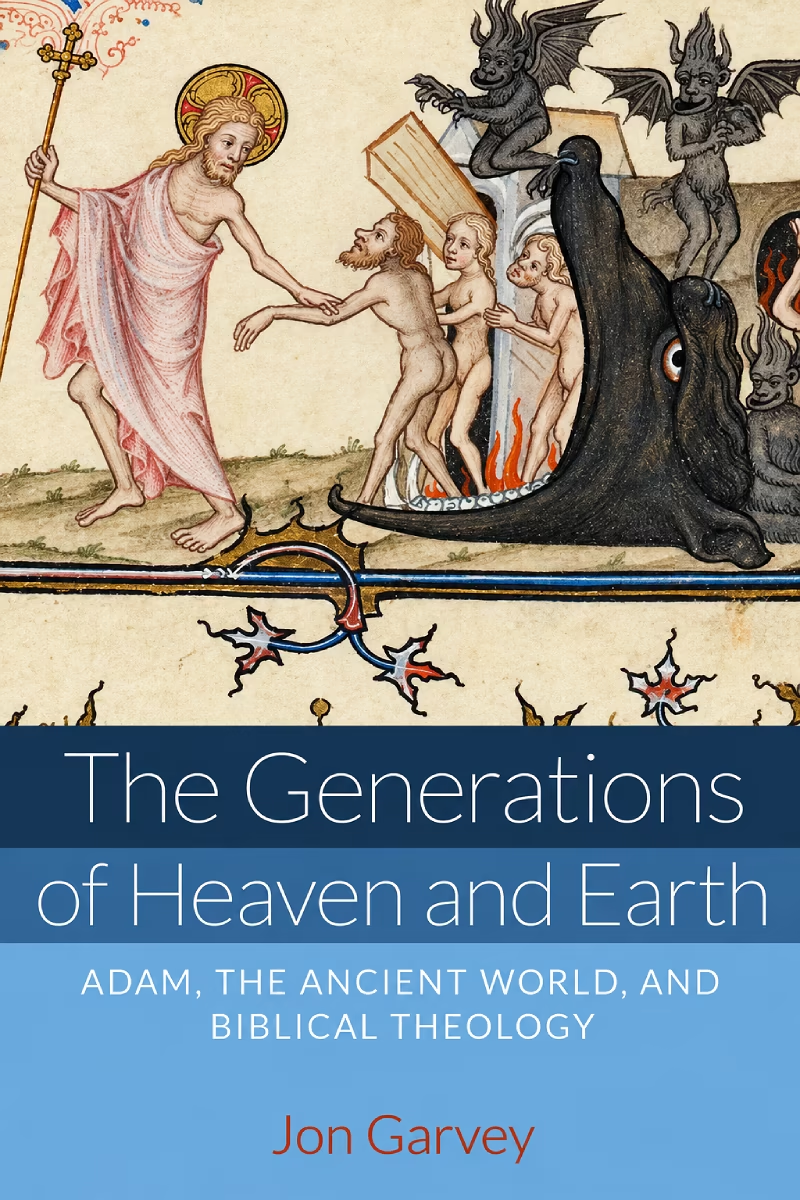
The Generations of Heaven and Earth: Adam, the Ancient World, and Biblical Theology
Jon Garvey revisits Adam, Eden, ancient humanity, and Genesis through biblical theology and evidence from the ancient world, arguing that people beyond Eden fit the text’s original horizon. He follows Adam’s vocation and failure into themes of sin, image, genealogy, temple, Christ, and new creation, building a Genesis-to-consummation account of God’s purpose for humanity.
Available Instantly
About This Book
Jon Garvey’s The Generations of Heaven and Earth: Adam, the Ancient World, and Biblical Theology is a sustained study of Adam, Eden, ancient humanity, and the place of Genesis within the Bible’s larger theological story. Garvey brings biblical exegesis into conversation with ancient Near Eastern evidence, genealogy, archaeology, and contemporary scientific discussion, but his governing purpose is theological: to ask what Genesis intends to say about Adam and how Adam’s calling, failure, and legacy connect with Christ and the new creation.
The early chapters examine the genre and metaphor of Genesis and the possibility that the biblical authors understood people to exist beyond Eden. Garvey studies signs within the Genesis narratives, ancient cultural and geographical context, and the Table of Nations. These discussions are not presented merely as questions of human origins. They support a larger argument about the special role of Adam and the theological meaning of Eden within an already populated ancient world.
A central portion of the book asks what humanity is and what it means to bear the image of God. Garvey explores the naming and role of Adam, the imago Dei, the special creation of Adam, religion before Adam, and the importance of biblical genealogy. The result distinguishes biological questions from theological vocation. Readers asking whether a historical Adam can be understood alongside a wider ancient human population, what makes Adam distinctive, or how Genesis should be related to scientific accounts of human antiquity encounter those issues directly.
The later chapters shift from Adam’s origin to Adam’s theological significance. Garvey treats original sin and the transmission of sin, then develops the relationship between Adam and the new creation. Christ becomes the decisive counterpart to Adam: what was frustrated through Adam’s failure is brought toward fulfillment in Christ. This gives the book a strong biblical-continuity dimension, because Genesis is read not as an isolated origins text but as the opening of themes that continue through the covenants, temple, Christ, and the consummation of God’s purpose.
Garvey’s “three testaments” and “two temples” discussions develop the continuity between Eden, later biblical sacred space, and the new creation. Temple imagery becomes a way of tracing God’s intended dwelling and rule from Genesis into later Scripture. The book also considers the devil and evil within this larger framework. These themes connect old creation, Adamic failure, redemption, and new creation without collapsing them into a single doctrine.
Genesis is therefore the primary biblical book used, but the argument deliberately ranges beyond it. Romans and 1 Corinthians materially contribute to the Adam-Christ comparison, sin, resurrection, and new creation; later biblical temple and new-creation passages help complete the canonical trajectory. The book’s scope is both topical and whole-Bible in the sense that it develops one theological argument from Genesis forward across major portions of Scripture.
This study is particularly relevant to readers asking how Adam fits with ancient human history, whether Genesis allows people beyond Eden, what the image of God means, how original sin relates to Adam, and how Adam’s story connects to Christ and the new creation. Its strongest search identity lies in Adam, Genesis, biblical anthropology, old and new creation, biblical continuity, temple theology, and the relationship between the early chapters of Genesis and the Bible’s larger redemptive purpose.
Book Details

Reading Fit
STUDY LEVEL
Advanced, Intermediate
STUDY SCOPE
Entire Bible, Individual Book, Old Testament, Topical
BOOKS INCLUDED

Edition & Format
PUBLISHED
April 6, 2020
AVAILABLE FORMATS
paperback, hardcover, kindle
LENGTH
274 pages

Topics Covered
You Might Also Like